Regional Cuisine Captivating Global Travelers: The Current Landscape of Gastronomy Tourism in Japan
Japan’s rich culinary heritage, from the traditions of washoku to the creative regional dishes that reflect diverse local climates, has long fascinated travelers from around the world. As inbound tourism recovers and global interest in authentic food experiences continues to grow, cuisine has become a key driver in discovering Japan’s culture and its regions. We spoke with Hajime Ono of the Japan Tourism Agency about the current state and future outlook of Japan’s gastronomy tourism.

Hajime Ono
Special Officer, Inbound Tourism Promotion Division, Japan Tourism Agency
Ministry of Land, Infrastructure, Transport and Tourism
Visiting Fellow, Wakayama University, Center for Tourism Research
National Jury Member, Blue Flag Programme, FEE Japan
Could you tell us about your current role at the Japan Tourism Agency and your main responsibilities as a Special Officer in the Inbound Tourism Promotion Division?
Our division formulates policies for inbound promotion through JNTO (Japan National Tourism Organization), manages related budgeting and implementation, analyzes visitor data by region, such as Europe, North America, Oceania, and Asia, and coordinates bilateral tourism discussions. As a Special Officer, I help ensure smooth operations within the division, overseeing general affairs, administrative management, accounting, and participation in drafting JNTO’s annual plans. Before this position, I was engaged in various projects targeting local governments, travel agencies, and accommodation providers, particularly focusing on initiatives in the field of sustainable tourism.
With the rapid recovery of inbound tourism after the pandemic, what do you consider essential for sustaining this growth?
There’s much talk about moving from quantity to quality and creating higher value, but I believe what matters most is building steady, lasting appeal rather than relying on one-off, high-profile events. Flashy events may appear successful in the moment, but they are difficult to sustain over months or years. What’s more valuable is establishing consistent efforts that may attract a smaller daily flow of visitors but maintain loyal, returning fans over time, initiatives with genuine substance and long-term value. Occasional large-scale events can be effective, but if the main strategy depends solely on such bursts, momentum tends to fade.
Another key point is diversification. In this industry, people often seek a “magic formula” for success, one decisive strategy, but rather than chasing that, we should think in terms of a portfolio approach. The COVID-19 crisis provided a clear example: destinations that relied exclusively on travelers from a single country suffered severely when that market collapsed. In contrast, those that diversified, maintaining ties with other international markets, domestic tourists, and nearby regions, experienced decline but avoided total shutdown.
Similar risks may arise again from geopolitical or economic shifts. Businesses overly dependent on one market face a higher risk of collapse. By contrast, those with diversified portfolios can endure downturns and continue operations. So instead of relying on one “magic” measure, which may feel rewarding in good times but disastrous in bad, tourism management should be grounded in balanced, steady marketing linked directly to long-term business sustainability.
More travelers are now visiting Japan to experience regional food cultures. Could you share some government initiatives that link gastronomy with regional revitalization?
The Japan Tourism Agency places great importance on gastronomy tourism as a means to revitalize regional economies. Each year, we implement projects such as “Gastronomy Tourism Promotion Utilizing the Power of Food,” which was launched this fiscal year, to advance these efforts nationwide.
What are your expectations and outlook for the future of gastronomy tourism in Japan? Finally, could you share a message with delicious Japan readers abroad who are considering visiting Japan through food?
Why do we pursue tourism policy?The answer is that it serves as one of the means of community development. Tourism policy is an option that helps a region become the kind of place it aspires to be and continue being the community it wishes to remain. When a region works hard to promote tourism and strives to ensure visitors’ satisfaction, it reflects a clear vision of what that region wants to be. When travelers come to love a place and wish to return, such human interactions and exchanges nurture and strengthen the community itself.
When and for what do people spend money?
The answer is, aside from the basic needs of food, clothing, and shelter, people spend money on things that bring them joy or allow them to learn. People generally spend only when they find something interesting, enjoyable, intellectually stimulating, or beneficial for their future. Conversely, if something lacks enjoyment or educational value, people naturally become reluctant to spend on it. You would probably agree, wouldn’t you? In that sense, Japan’s gastronomy tourism offers both pleasure and learning. It provides the joy of delicious food and photogenic experiences, while also offering opportunities to learn about the origins of ingredients and the traditions of local regions.
Providing both enjoyment and learning to travelers, and having their experiences contribute to local community development, is truly an excellent opportunity. Furthermore, these are unique experiences that can only be enjoyed by actually visiting the location. There is simply no replacement. I sincerely hope you will travel around Japan, experience these moments firsthand, and see for yourself how true these words are.
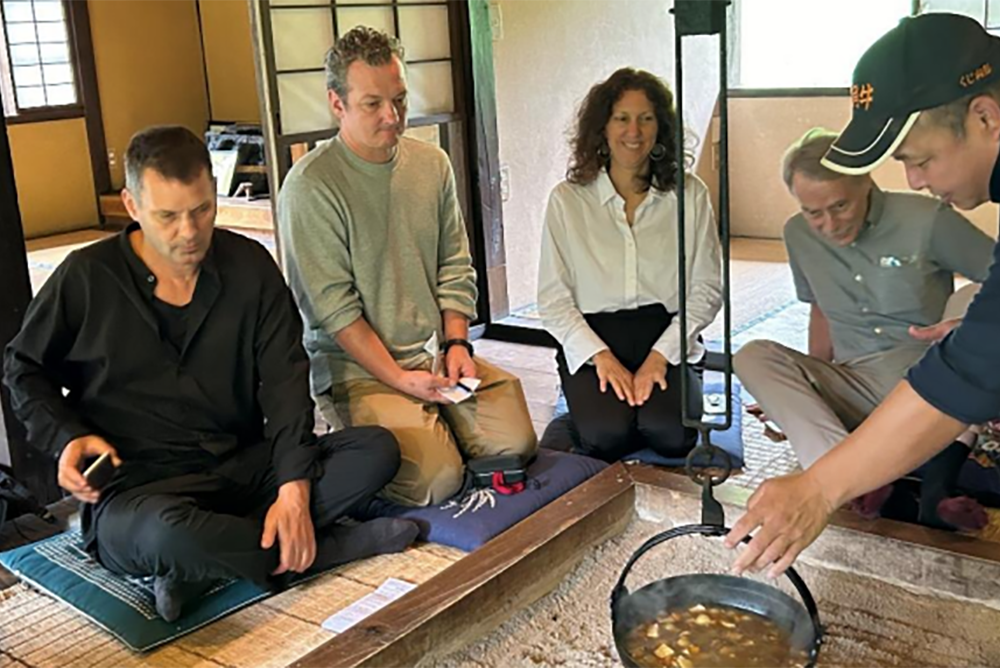
Experiencing local gastronomy begins before the meal itself, with the discovery of the customs and traditions unique to each region.
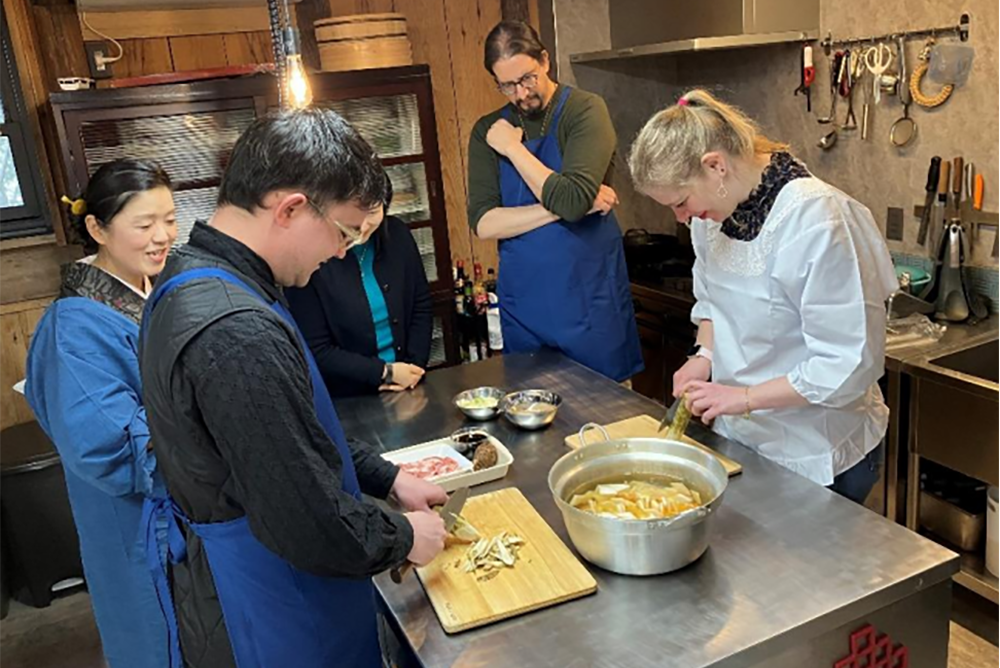
Weaving together centuries-old traditions with the people who sustain them, this is the essence of Japan’s local gastronomy.
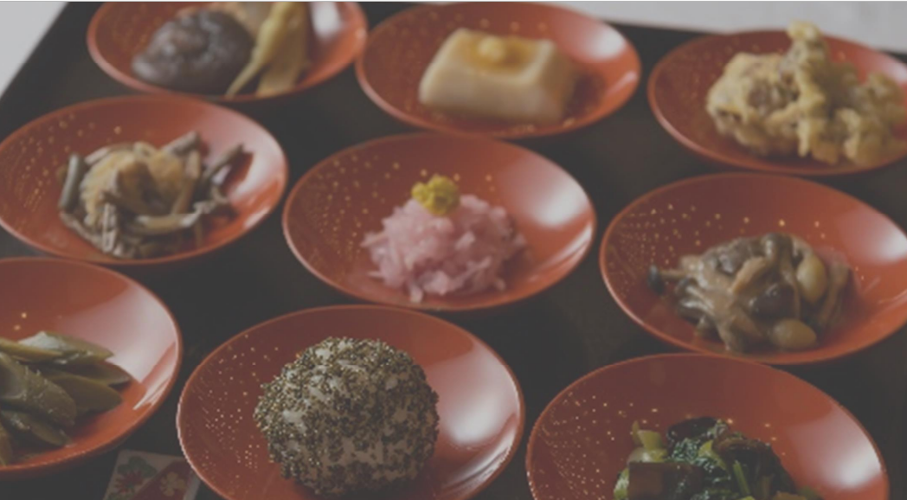
You may encounter a flavor that feels unfamiliar, but with Japan’s endless variety of local dishes, you’re sure to find one that wins your heart.