Mandarin Oriental, Tokyo
Italian Craft and Japanese Inspiration
 Daniele Cason
Executive Chef, Mandarin Oriental, Tokyo
I oversee a team of around 130 chefs across restaurants with very different cuisines. My job is not to make them all cook in the same style. It is to make sure each restaurant knows what it stands for and delivers that experience consistently.
The common standards are respect for ingredients, technical discipline and attention to the guest. Dietary needs are part of that attention, but we have to be precise. We should understand a request before the guest arrives, discuss what each kitchen can prepare properly and communicate any limits clearly. Promising an adaptation that compromises the dish—or the guest’s safety—is poor hospitality.
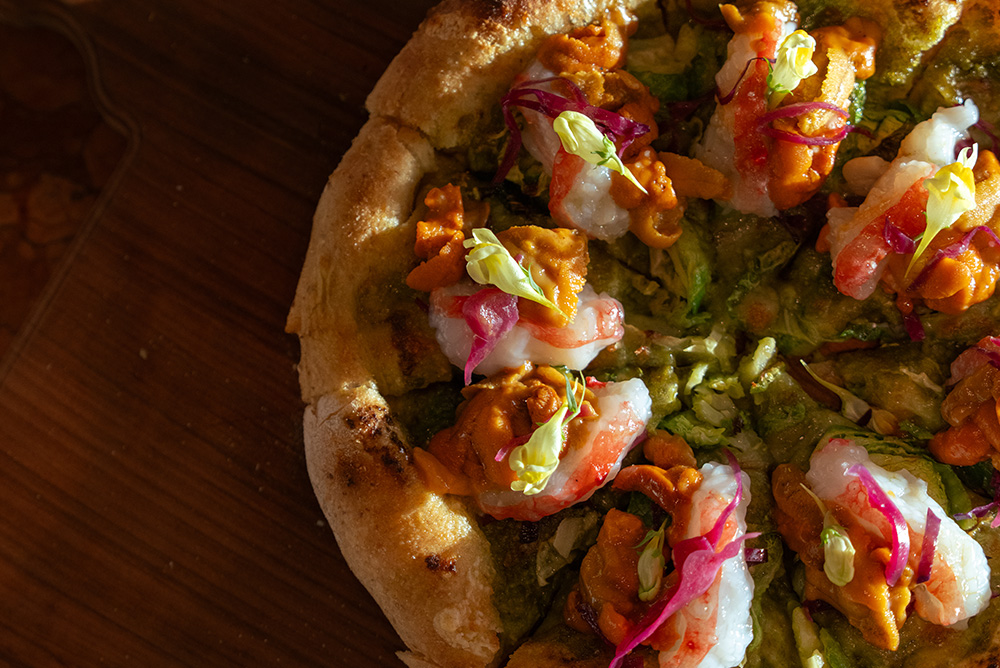
I was born in Rome, Italy gave me my culinary roots; living in Japan for more than a decade has changed how I express them. Japan has taught me to pay closer attention to seasonality, restraint and the guest’s experience of a dish from beginning to end. At The Pizza Bar on 38th, the pizza is still rooted in Italian craft, but the way we serve it reflects what I have learned here: a small counter, direct contact with the chefs and each slice presented when it is ready to eat. Living in Japan has made me more thoughtful about Italian tradition, not less attached to it.
 Why bring pizza and omakase-style dining together?
The eight-seat counter lets us serve pizza in the way I believe it tastes best: straight from the oven, one slice at a time. Guests can see the work, speak with the chefs and follow a progression of flavors. That rhythm draws on my experience of dining in Japan, while the generosity and pleasure of eating pizza remain central. When The Pizza Bar on 38th opened in 2014, this format was unusual. People generally expected to order a whole pizza and eat at their own pace. We had to show why the counter and the sequence mattered. It was never about making pizza formal for its own sake; it was about giving every slice our full attention.
What does the ideal dough mean to you?The ideal dough makes you want the next slice. It should have flavor, a crisp exterior and a soft, open interior, without leaving you feeling heavy. We developed ours through repeated changes to the flour blend, hydration, fermentation and baking. Today we work with six organic flours from Mulino Marino, Japanese water, very little yeast and a fermentation of around 48 hours. Those details matter, but a recipe alone cannot guarantee the result. The team must understand how the dough behaves each day and handle it with consistency. That daily work is as important as the years of experimentation behind the recipe.
How do you choose ingredients and balance Italian tradition with Japanese creativity?I choose ingredients for their quality and for what they contribute to the pizza, not simply because they are rare or local. Working with producers helps us understand when an ingredient is at its best and how to use it with respect. Italian cooking has always been connected to place and season. In Tokyo, it would make little sense to ignore the exceptional ingredients around us. But a Japanese ingredient needs a reason to be on the pizza: it must work with the dough and the other flavors. I want guests to recognize both the Italian foundation and the place where we are cooking.