Wakōcha: Black Tea with the Spirit of Japan
How a Shizuoka Tea Producer Is Transforming Tradition Through Innovation
What makes Japanese black tea, or Wakōcha, different from the bold teas of Assam or Darjeeling? How is tradition being reimagined for global tastes? We sat down with Motoomi Nakane to uncover the story behind this quiet revolution in Shizuoka’s tea fields.
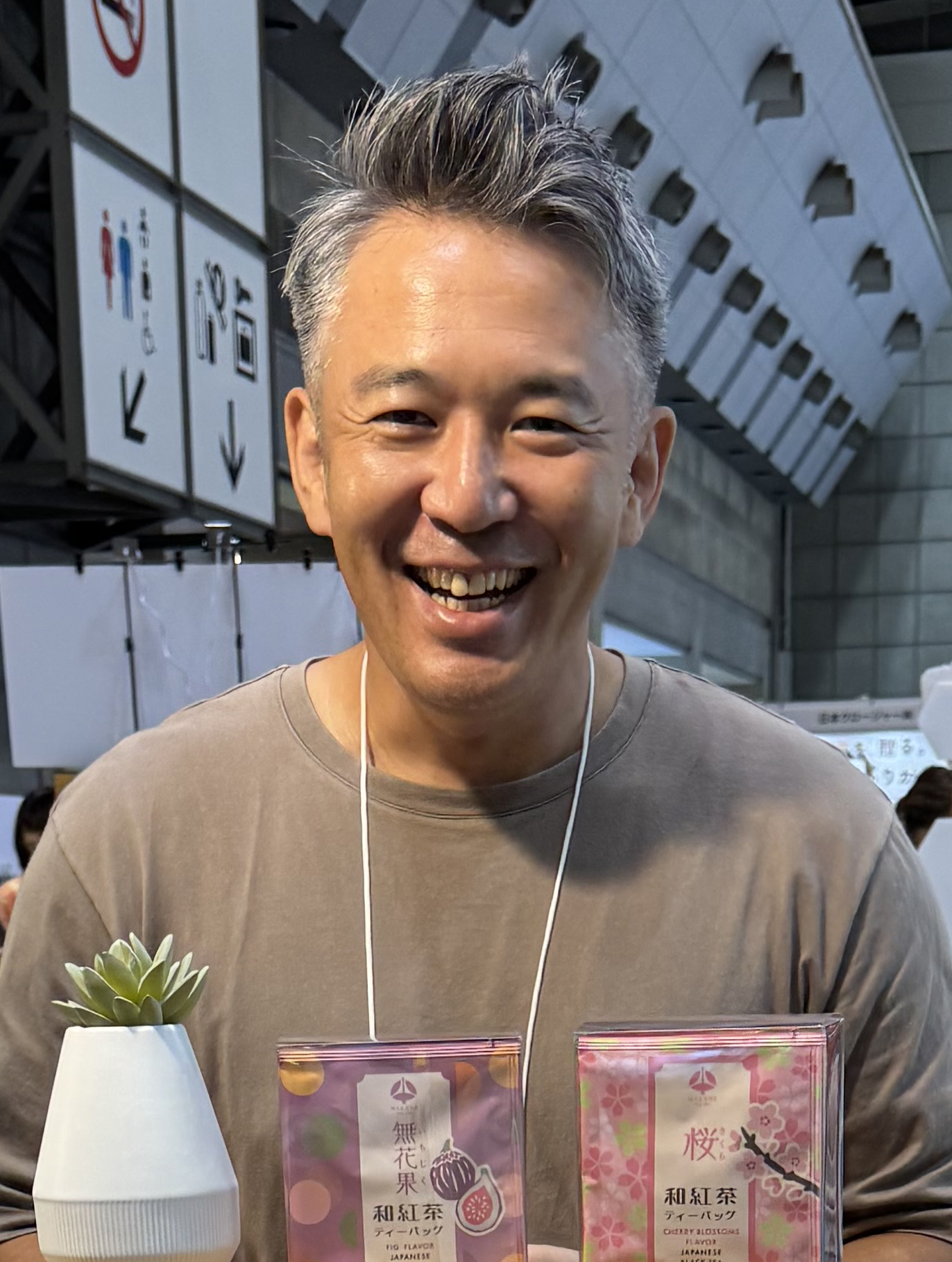 Motoomi Nakane
President & CEO of Nakane Tea Inc.
Could you begin by briefly introducing the history of your company? In addition, as a Shizuoka tea producer, could you tell us about your main products and their characteristics?
Our company will celebrate its 80th anniversary in 2026. It all began when our current president’s grandfather, Yukio Nakane, started selling tea in Tokyo in the post-war years, at a time when tea was a key industry in his hometown of Kakegawa. Since then, our core product has been Fukamushi-cha (deep-steamed green tea), and we have continued to expand our lineup by applying our expertise in tea processing to create modern products such as health teas and rooibos tea to meet today’s diverse consumer needs.
What led you to focus on Japanese black tea (Wakōcha)? Could you also explain, in simple terms for overseas readers, the difference between Japanese green tea and Wakōcha?
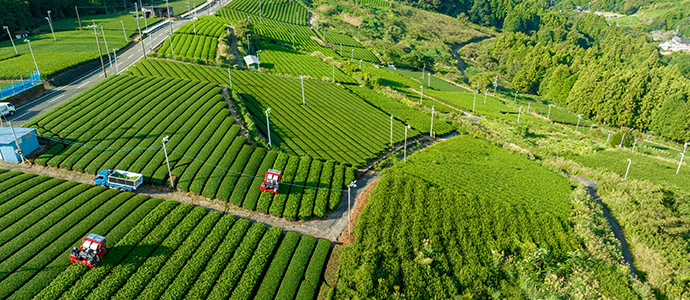
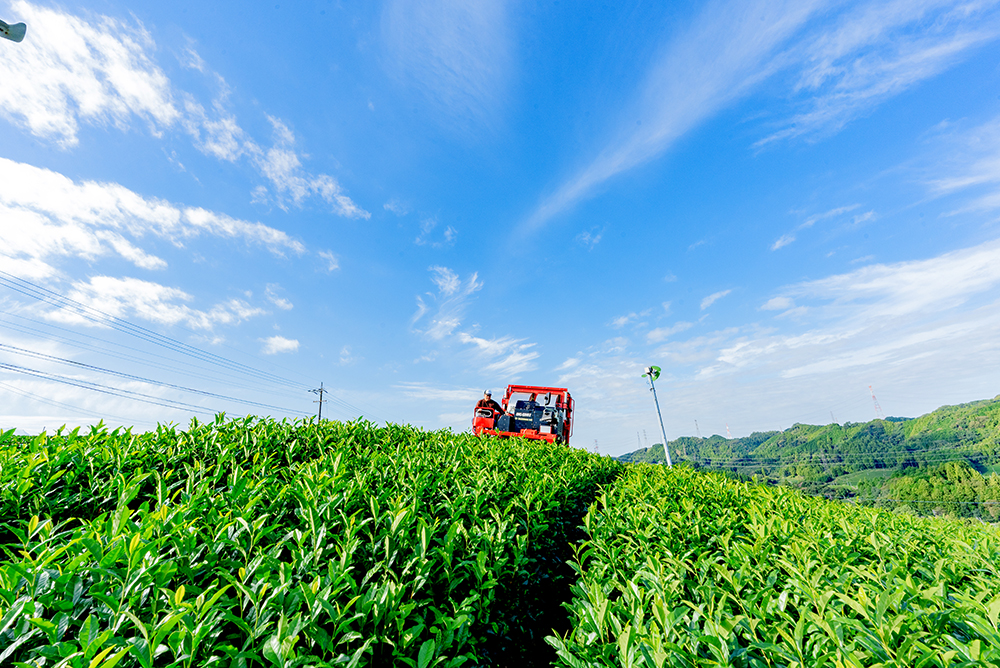
Kakegawa stretches north to south and includes several tea-growing areas. In the northern region, the higher altitude and cooler climate mean fewer pests, making it suitable for organic cultivation. However, because the harvest comes later than in other regions, producers face a disadvantage in pricing—tea prices tend to drop once trading begins each season. To overcome this, farmers in the north began producing black tea, which would be evaluated on different terms, without competing directly in the green tea market.
Black tea produced in Japan is called Wakōcha. It is made by fermenting tea leaves that would normally be used for green tea. Since Japanese tea varieties have been bred to reduce bitterness and astringency, the resulting black tea has a refreshing, smooth flavor with a subtle natural sweetness. For this reason, Wakōcha is often described as “a black tea you can enjoy without sugar.” By contrast, teas such as Assam are bolder and pair well with milk and sugar.
Why did you choose flavors such as cherry blossom, grape, strawberry, and Japanese pear? How do you select and source the tea leaves and fruit?
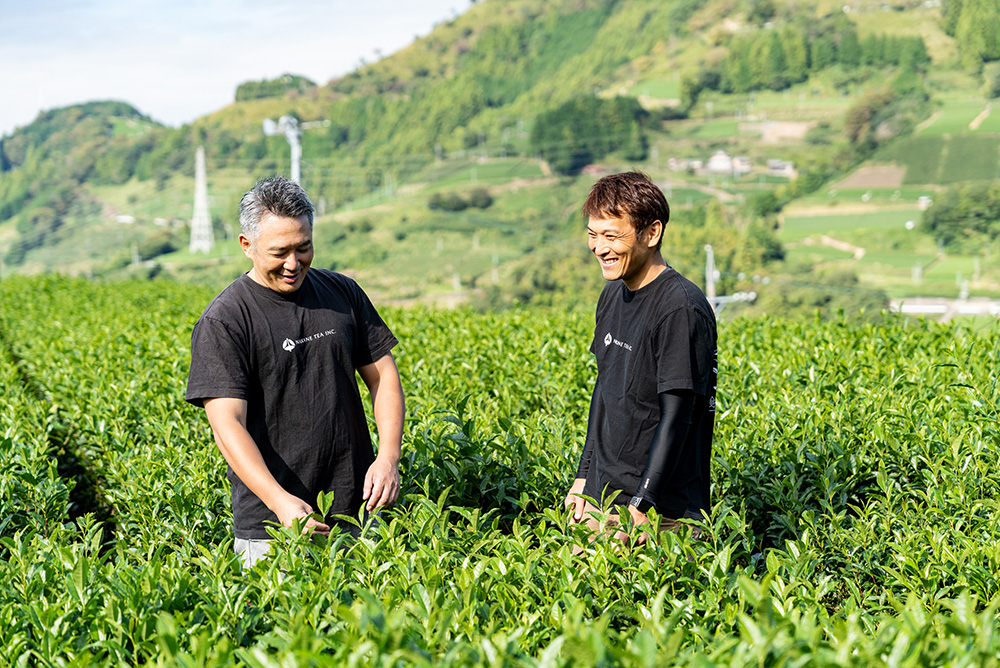
Because the base is Wakōcha, we wanted to highlight a distinctly Japanese identity by pairing it with traditional Japanese fruits. Even within similar flavors—for example, cherry and cherry blossom, or Kyoho grape and Shine Muscat—we made sure to create nuanced differences. The base Wakōcha is organic and blended from leaves sourced from multiple regions, giving it balance, depth, and a broad flavor profile.
Are there particular innovations in your Wakōcha production process? Why did you decide to focus on tea bags, and what are the benefits? Also, what key points do you prioritize in bringing out aroma and flavor?
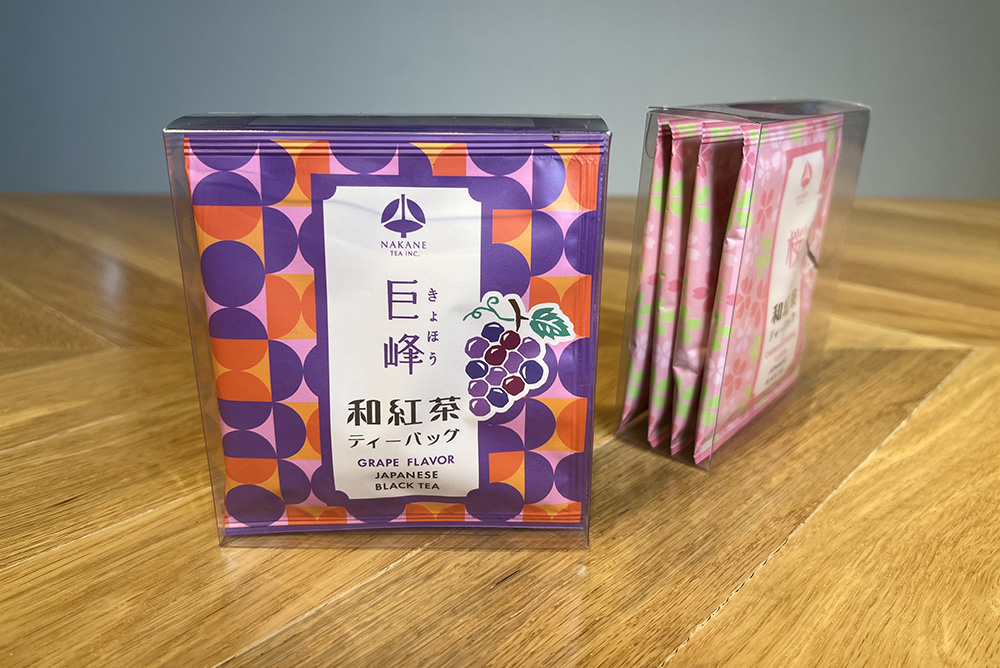
While we are naturally particular about ingredients and flavors, we also paid close attention to design. Wakōcha carries a sense of nostalgia and gentleness, so we adopted a “Showa retro” theme for our packaging. The designs evoke the atmosphere of old-style cafés, downtown neighborhoods, and traditional snack shops, making the product enjoyable to choose as well as to drink.
How has Wakōcha been received in the domestic and overseas markets? When introducing it abroad, what message would you like to share?
In Japan, the term “Wakōcha” is gradually becoming recognized, and people are learning how to enjoy its unique qualities. Overseas, we see opportunities to introduce it as a new category of black tea, highlighting its distinct characteristics and ways to enjoy it.
How does Shizuoka’s regional identity contribute to the appeal and brand value of Wakōcha? Do you have any recommended ways to enjoy it or pair it with food?
Shizuoka is one of Japan’s leading tea-producing regions, historically loved as the supplier of tea to the Tokugawa shogunate. With this heritage and proven craftsmanship, Wakōcha is produced with both tradition and innovation. Its refreshing, light flavor pairs especially well with rich desserts, balancing out their sweetness.
Do you have plans for new flavors or product lines? What is your vision for overseas expansion? Finally, if you could describe the charm of Wakōcha to readers around the world in just one phrase, what would it be?
For now, we will continue to develop our lineup of 11 flavors. Once awareness grows, we aim to create premium products, such as blends with dried fruits.
Global demand for tea is on the rise, led by matcha. Japanese tea has been nurtured within a unique culture and worldview, developed over centuries. Wakōcha is also a product of this history—born from both consumer demand and the challenges taken on by tea farmers. Our role as tea merchants is to refine these efforts into products and share them with the world.If I had to put it in one phrase, Wakōcha is: “Black tea infused with the spirit of Japan.”
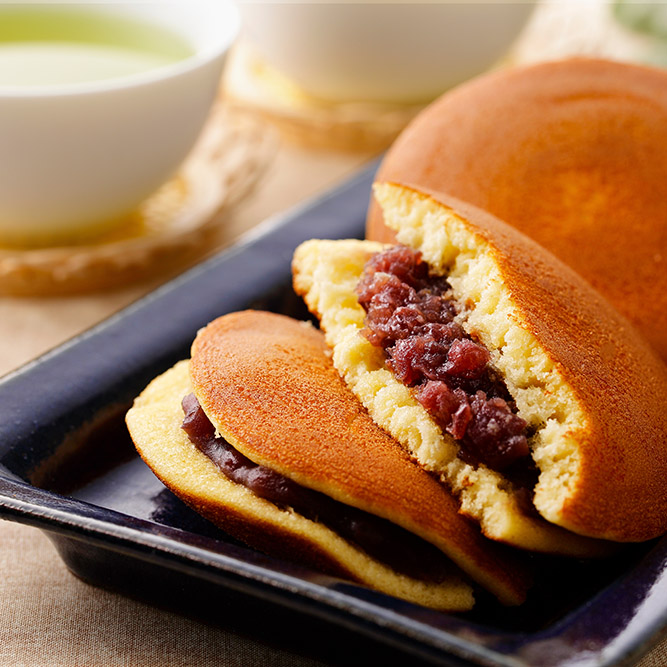
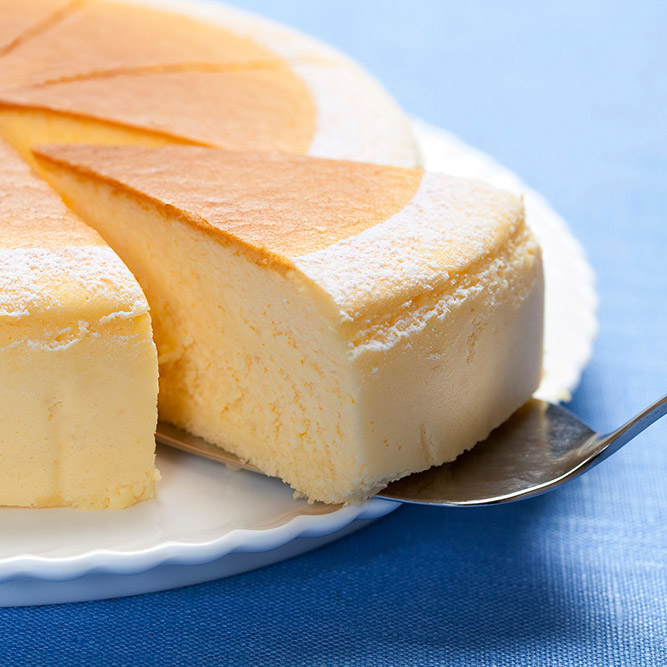
How to Enjoy Wakōcha: Pairing Tips & Serving Ideas
Serving Style
Food Pairings