Special Interview with Ms. Amanda Bond
Head of Equestrian Affairs, The Hong Kong Jockey Club
Chair, FEI Para Equestrian Technical Committee
Chair, Asian Equestrian Federation Para Dressage Committee
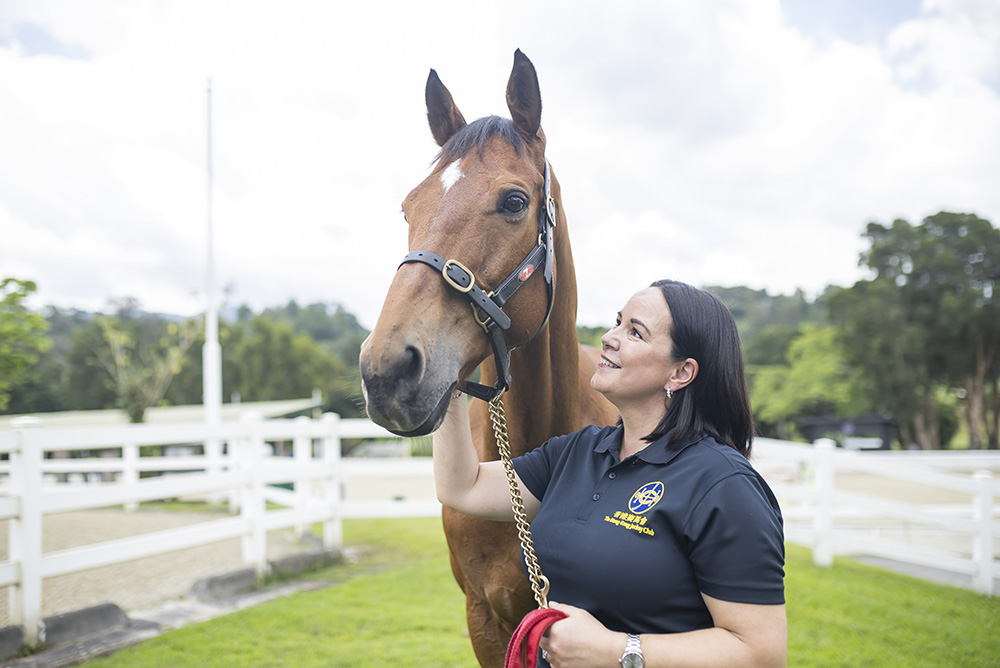
With an impressive career spanning education, international governance, and sport development, Amanda Bond has become one of the leading voices in global para-equestrian advancement. Currently serving as Head of Equestrian Affairs at The Hong Kong Jockey Club and chairing two key committees—the FEI Para Equestrian Technical Committee and the Asian Equestrian Federation Para Dressage Committee—Bond has played a pivotal role in building stronger, more inclusive equestrian communities across Asia and beyond. In this exclusive interview, she reflects on her professional journey, the challenges and opportunities facing para-equestrian sport in Asia, her strong ties with Japan, and her hopes for the next generation of athletes and supporters.
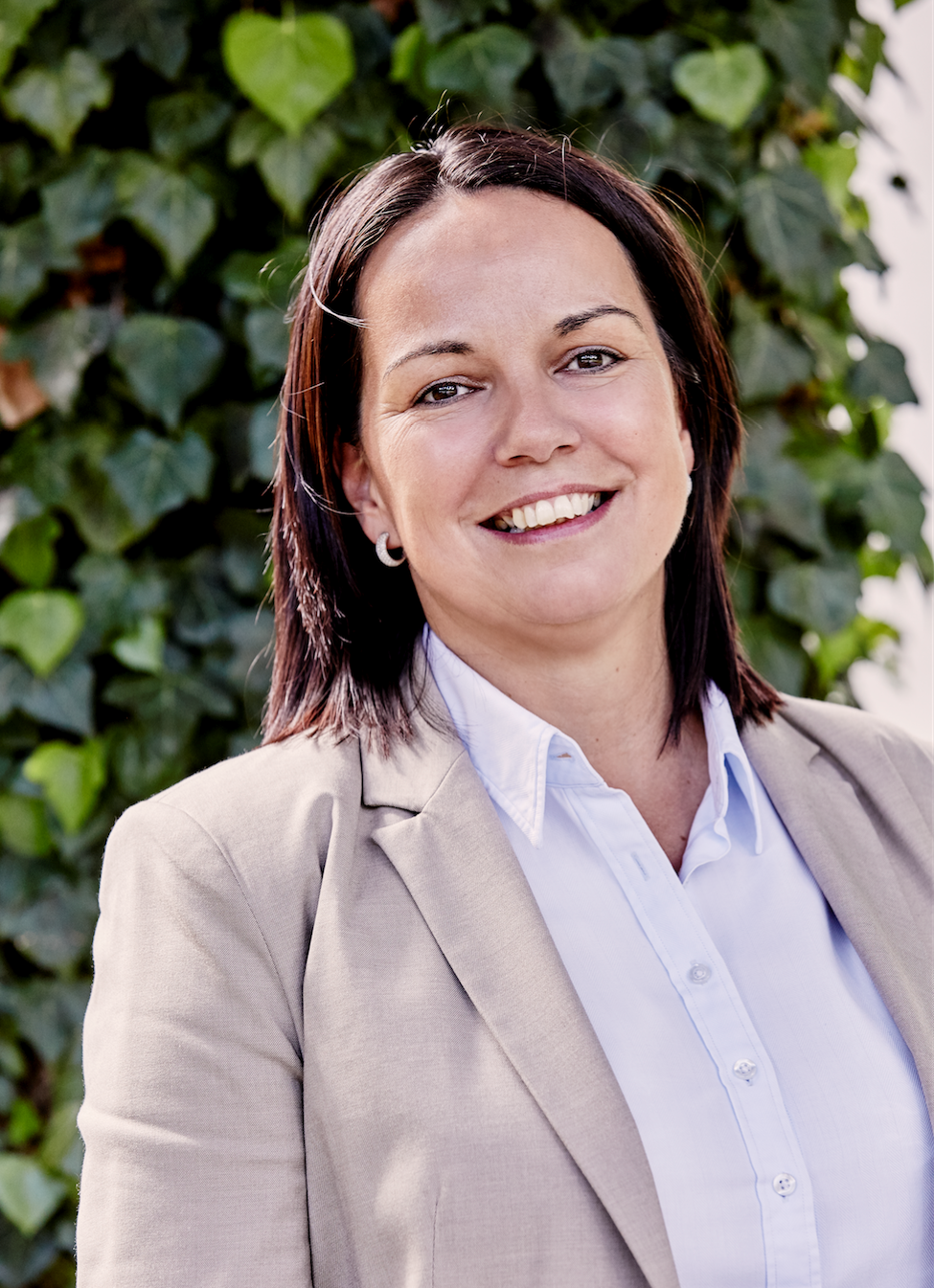 Amanda Bond
First of all, could you tell us a little about your career journey? How did your career begin in the UK, and what brought you to work in Hong Kong? And what was the turning point that made you focus on the development of para-equestrian sport?
My career started in the UK at Hartpury College, a specialist institution for equestrian and agricultural studies. I was fortunate to be offered a position there right after graduation, working as a lecturer. Since the college hosted major international equestrian events, I gained a broad foundation in all aspects of the sport.
The real turning point came in 2007, when Hartpury hosted the World Championships for Para Dressage. Preparing for that event exposed me to para-equestrian sport, and I quickly realized how extraordinary it was. I was inspired by the athletes’ passion and determination—many of whom overcame life-changing injuries or disabilities—and how the sport gave them purpose and confidence.
That experience ignited my dedication to para-equestrian development. During those championships, the organizers of the Beijing 2008 Olympic and Paralympic Games visited Hartpury and asked to “borrow” me to help deliver the equestrian events in Hong Kong. That was my first time in Hong Kong and I loved it.
After returning to the UK, I joined British Dressage, overseeing both dressage and para-dressage. Then, in 2014, the Hong Kong Jockey Club reached out with an unexpected offer. I hadn’t been seeking a new job, but fate had other plans. And here I am, more than a decade later, still deeply involved in developing the sport I love.
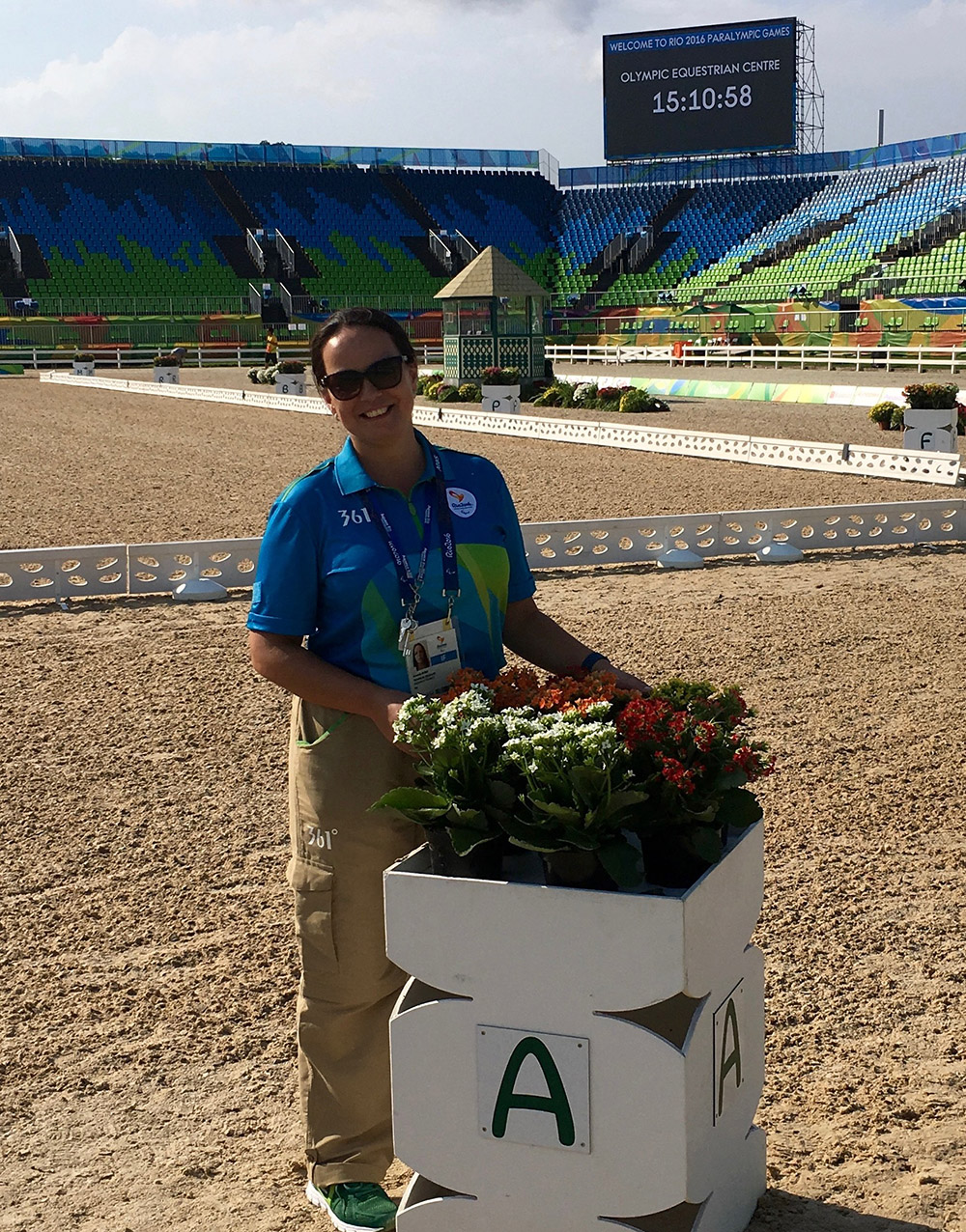
Throughout my career, I’ve had the privilege of working at five Paralympic Games, starting as an observer in Athens, and each has reinforced how powerful this sport can be in transforming lives.
As Head of Equestrian Affairs at the Hong Kong Jockey Club, what are your main responsibilities and current projects? And as Chair of both the FEI Para Equestrian Technical Committee and the new Asian Equestrian Federation Para Dressage Committee, what achievements are you most proud of?
At the Hong Kong Jockey Club, I lead a team responsible for all equestrian activities in Hong Kong from community participation to elite competition. We operate four equestrian centers, providing riding opportunities from beginner level to international performance. We also run the Longines Hong Kong International Horse Show, manage a retired racehorse program that rehomes more than 200 horses annually, and oversee Team Hong Kong in all disciplines including para-dressage.
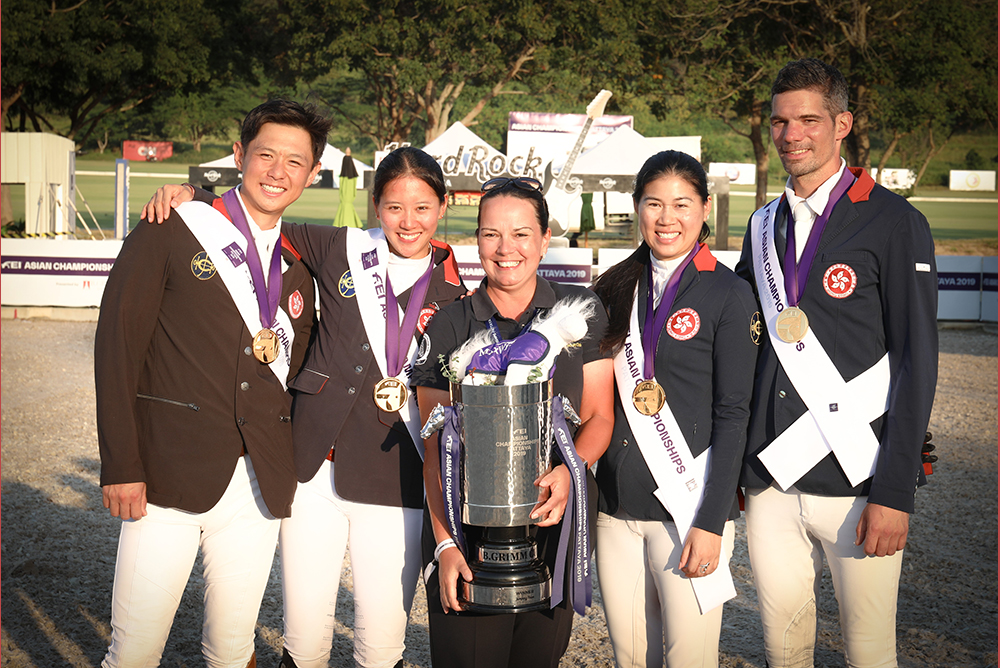
Our department includes over 250 staff and 400 horses, so it’s a busy but rewarding environment. One of my proudest achievements has been professionalizing our athlete support system, creating a structured high-performance pathway with expert teams around our riders. Seeing young riders progress from our youth programs to international podiums, including a gold medal in dressage at the Asian Games, has been incredibly fulfilling.
At the FEI Para Equestrian Technical Committee, we oversee all aspects of the sport’s governance from competition rules to athlete classification and collaboration with the International Paralympic Committee (IPC). Meanwhile, within the Asian Equestrian Federation, we recently formed the Para Dressage Committee to promote growth in Asia. Currently, only Japan, Hong Kong, Singapore, and one Saudi athlete are active in international para-equestrian sport. Our mission is to build the full ecosystem—athletes, officials, coaches, and competitions—across the region.
From your perspective, what are the main challenges that para-equestrian sport faces in Asia, and what potential do you see for the future?
The biggest challenge is limited participation. Only a handful of nations are active internationally, and many lack awareness or leadership to drive programs forward. Without knowledgeable officials or advocates, it’s difficult to gain momentum.
Another challenge is ensuring that national federations truly embrace para-equestrian sport. Some, like ours in Hong Kong, have integrated para-dressage successfully, but many others have yet to engage meaningfully.
Lastly, horse movement and logistics remain a huge barrier. Unlike Europe, where horses can travel easily across borders, moving horses between Asian countries is expensive and complicated. This limits international competitions and opportunities for riders to meet and learn from one another.
That’s why we are launching the first-ever Asian Para Equestrian Championships in Thailand (November 2025). When medals are available, nations tend to take interest and start building teams. My long-term goal is to see para-equestrian sport included in the Asian Games. A dream that will become possible once we have more active countries in the region.
Could you share some of your experiences with Japan and your impressions of the country’s para-equestrian scene?
My involvement with Japan began during preparations for the Tokyo 2020 Paralympic Games. A few years prior, I was contacted by Mr. Junichi Kano, and I must say Japan’s early and organized approach was exemplary. Hosting international CPEDI events, training stewards and officials, and preparing athletes—all began well in advance of the Games.
I visited Japan several times, including the stunning Gotenba venue near Mt. Fuji—truly one of the most beautiful equestrian arenas I’ve ever seen. Despite the pandemic, the Tokyo Games were a great success. What impressed me most was the legacy that continued afterward. Many countries lose momentum after hosting a Paralympic event, but Japan has only grown stronger, with the largest number of FEI-registered para riders in Asia. Japanese officials remain active internationally, which shows genuine, long-term commitment.
How could cooperation between Hong Kong and Japan contribute to the growth of para-equestrian sport?
There’s great potential for collaboration between Hong Kong and Japan. Continued knowledge exchange—like Mr. Kano’s upcoming study visit to Hong Kong—is vital. We can also explore joint competitions and official exchange programs, though we must find creative solutions for the challenge of horse movement between our countries.
We’ve already been collaborating on official development. For example, Judge Yukako Kimura from Japan has joined the Asian Equestrian Federation’s Para Dressage Committee and has gained valuable experience officiating in Europe through our networks. She has also conducted judge training in Korea, helping to spread expertise regionally. Japan’s leadership in sharing knowledge and mentoring other Asian nations will be key to strengthening collaboration across the continent.
From your work in Hong Kong, are there best practices or models that Japan could find valuable?
In Hong Kong, we’ve fully integrated para-equestrian into our Elite Athlete Development Program, so para riders receive the same professional coaching and scientific support as Olympic disciplines. Training alongside able-bodied riders helps raise standards and mutual understanding.
We’re fortunate that the Hong Kong Jockey Club funds these programs, and Japan could explore a similar model by partnering with the Japan Racing Association (JRA) to strengthen the link between racing and equestrian sport.
From a cultural perspective, I’ve learned that equestrian sport is still Eurocentric, and it’s essential for Asian nations to ensure our voices are heard globally. I must also add—while some parts of Asia tend toward last-minute organization, Japan stands out as exceptionally well-prepared. For instance, the upcoming Asian Games in Nagoya Bajikoen already have detailed technical handbooks in place. Japan’s meticulous planning sets a great example for the region.
Finally, could you share a message for the athletes, coaches, and stakeholders in Japan?
My message is simple: keep pushing. Para-equestrian is not an easy journey. Athletes face physical challenges, and federations face structural ones, but our strength lies in determination. When things get tough, dig deep and stay focused.
Whether you’re an athlete, coach, or official, keep moving forward together. With unity, persistence, and passion, we can all achieve our dreams and continue building the future of para-equestrian sport across Asia.