Sectoral Trade Delegation & B2B Meetings in Tokyo 2025
A Showcase of Türkiye’s Rich Culinary Heritage
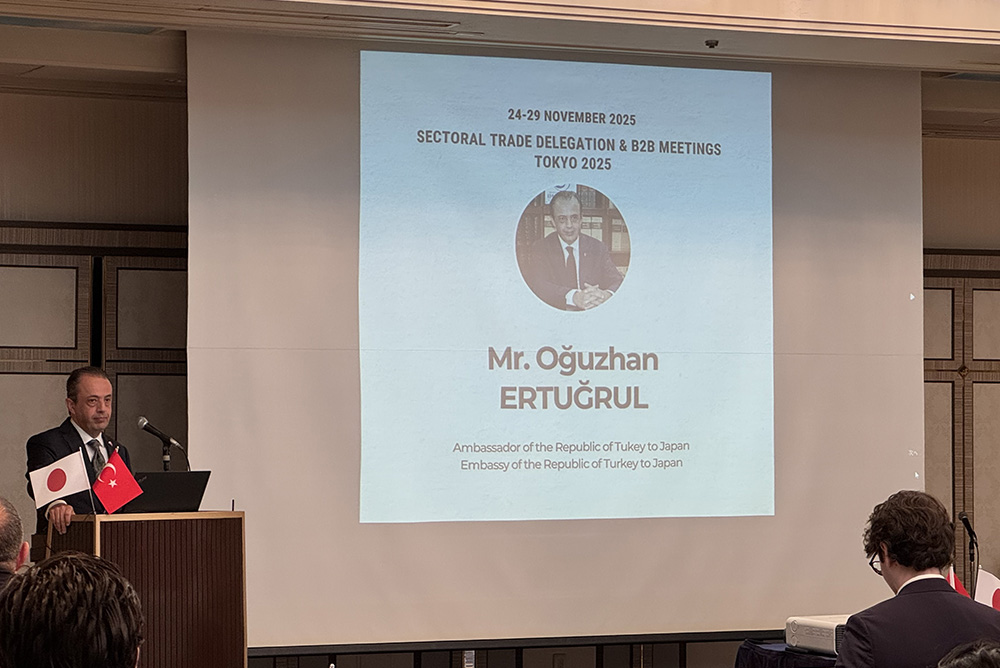
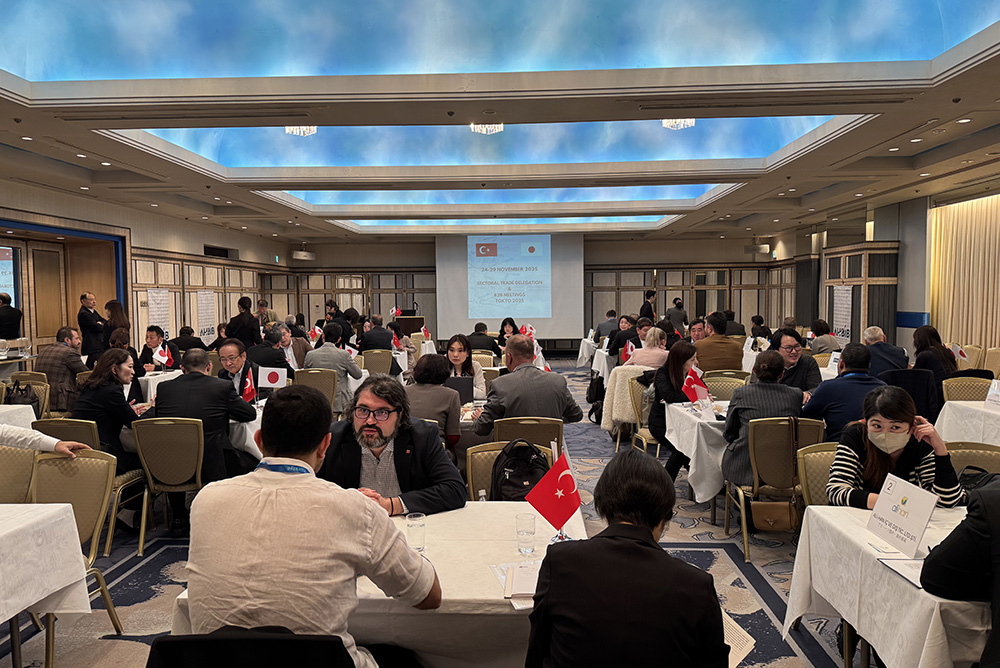
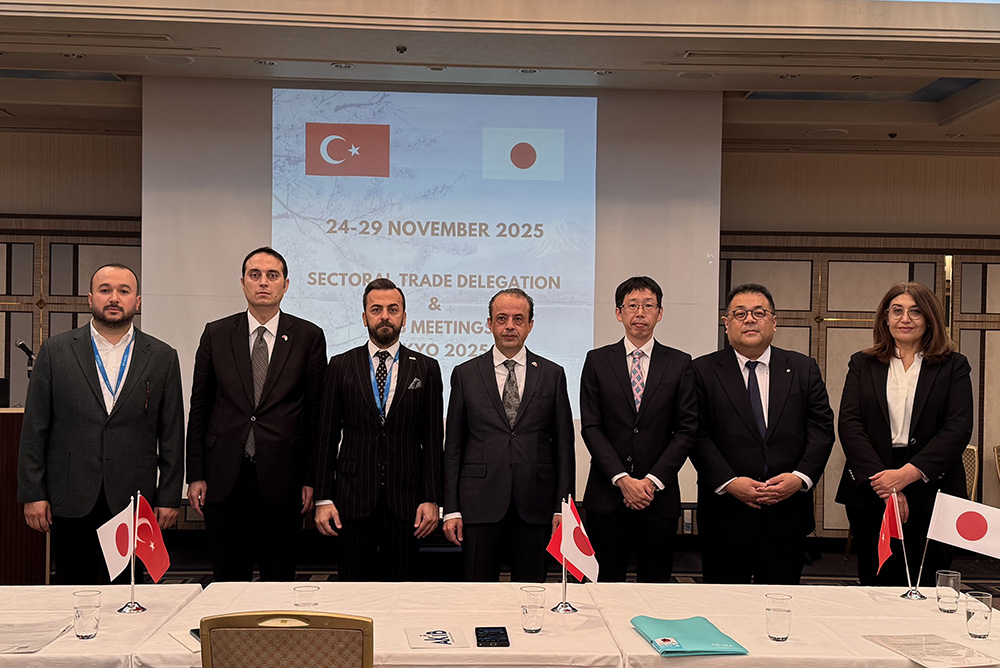
An impressive array of flavors from Türkiye came together in Tokyo during the Sectoral Trade Delegation & B2B Meetings in Tokyo 2025, which were successfully held.
A total of 27 Turkish food companies gathered to showcase a diverse selection of products cultivated from the country’s rich, fertile land, including grains, pulses, nuts, fruits, and confectionery. The event offered a rare opportunity to discover “new tastes not yet seen in Japan” and explore what could become the next hit products in the Japanese market.
With both confidence and anticipation, Turkish producers and Japanese buyers engaged in active discussions and networking throughout the day. The event created a dynamic platform for exploring new business opportunities, making it a highly productive and energetic gathering.
Event Overview
Date: Thursday, November 27, 2025
Time: 10:00 – 17:00
Venue: Hotel New Otani Tokyo
Program:
10:00 – 10:45 Opening Speeches
10:45 – 11:00 Coffee Break
11:00 – 12:30 B2B Meetings
12:30 – 13:30 Networking Lunch
13:30 – 17:00 B2B Meetings
About the Organizer
The Mediterranean Exporters’ Associations, widely known as AKİB, is a prominent export promotion organization established in 1940 in Mersin, southern Türkiye. Rooted in the exporter system initiated under the leadership of Mustafa Kemal Atatürk, AKİB has evolved into a comprehensive union encompassing eight major sectors, including textiles, chemicals, metals, agriculture, forestry, and fisheries. Covering a broad spectrum of products, from grains and vegetable oils to chocolate, pasta, processed foods, and pulses, AKİB actively supports participation in leading global food exhibitions such as SIAL, ANUGA, and Gulfood, while also organizing overseas trade missions. The organization plays a central role in enhancing the international competitiveness of Turkish products and expanding into new markets.
Turkish Companies and Product Highlights
Grains and Pulses (19 companies)
Produced under the favorable Mediterranean climate and supported by long-standing traditions, Turkish grains and pulses have earned a reputation for stable supply and high quality. By combining nutritional value with sustainability, these products aim to introduce a new staple food culture to Japanese consumers.
Nuts and Fruits (11 companies)
Rich aroma and natural sweetness define Türkiye’s nuts and fruits, offering versatile applications across sweets, bakery items, granola, and beverages. Representing health, flavor, and premium quality, these ingredients meet the growing global demand for natural and nutritious products.
Confectionery (2 companies)
From pişmaniye, often described as Turkish cotton candy, to lokum and halva, Turkish sweets are known for their visual beauty and delicate aroma. These traditional confections bring new value to gifts, desserts, and menu creations, reflecting the craftsmanship behind what can truly be called “sweet artistry.”
Others (3 companies)
Olive oil, seafood, and sausages highlighted the breadth of Turkish food culture. These products align with health-conscious trends and the popularity of the Mediterranean diet, showcasing a diverse range of offerings. Turkish companies expressed strong ambitions to expand their presence, with a vision of “From Mediterranean to Tokyo.”
A New Food Story Starts in Japan
Japan’s food market is known as one of the most demanding worldwide, with high quality expectations and discerning consumers. At the same time, it is a market where truly exceptional products supported by authentic stories can earn long-term appreciation.
This event may mark the beginning of a new culinary story connecting Japan and Türkiye. The thought of previously unknown Turkish flavors reaching Japanese dining tables brings a sense of excitement. After all, new tastes are born from encounters between people. And perhaps, that first step began on this very day in Tokyo.