CRAFT SAKE WEEK 2026
A 13-Day Experience Redefining Japan’s Drinking Culture
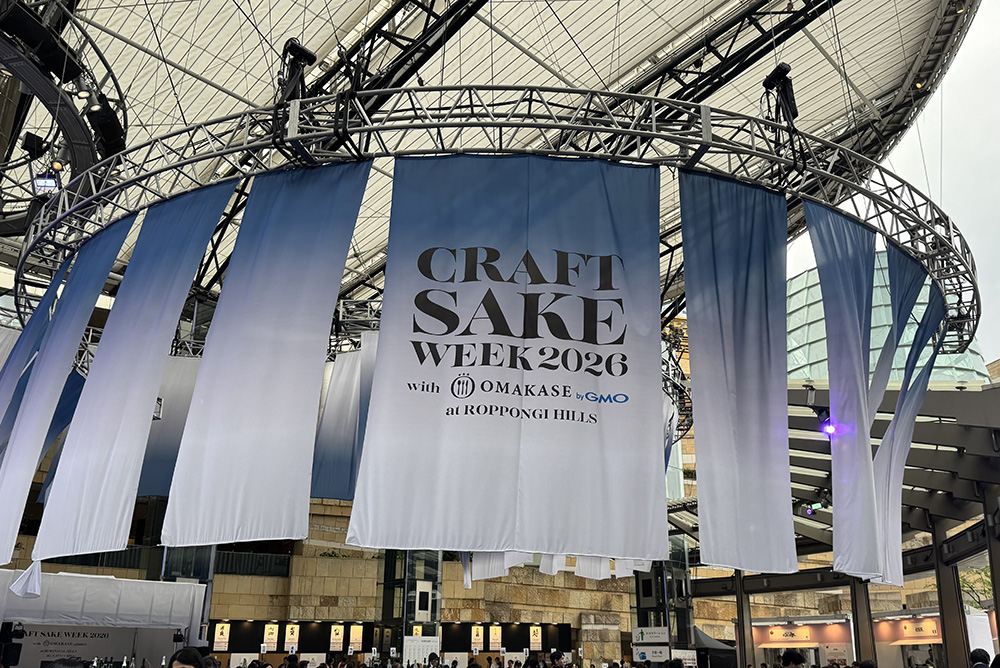
As CRAFT SAKE WEEK 2026 unfolds in Tokyo from April 17 to 29, the city once again becomes a stage for Japan’s evolving food and drink culture. More than a sake showcase, the event reflects a broader shift in which traditional categories are being reimagined to meet contemporary tastes and global expectations.
Within this context, a quieter yet compelling presence emerges. A Japanese tea brand, HANAAHU TEA, introduces a new way of thinking about what it means to drink, not as a choice between alcoholic and nonalcoholic beverages, but as a redefinition of the experience itself.
Organized by JAPAN CRAFT SAKE COMPANY under the direction of Hidetoshi Nakata, the event has grown significantly since its 2016 launch. With more than 1.25 million visitors to date, it has become a cultural platform that connects sake, cuisine, and storytelling for domestic and international audiences. This tenth-anniversary edition runs for 13 days, featuring 130 sake breweries from across Japan, with 10 breweries showcased each day. In addition, 20 restaurants, including highly sought-after establishments and Michelin-starred venues, present curated food pairings.
Sake as an Experience
At the venue, carefully selected breweries and restaurants are organized around daily themes. Visitors move freely through the space, discovering new pairings of sake and cuisine. What emerges is not merely consumption but an experience that redefines how sake is enjoyed. Among these experiences, HANAAHU TEA offers a distinct perspective.
Rethinking Japanese Tea
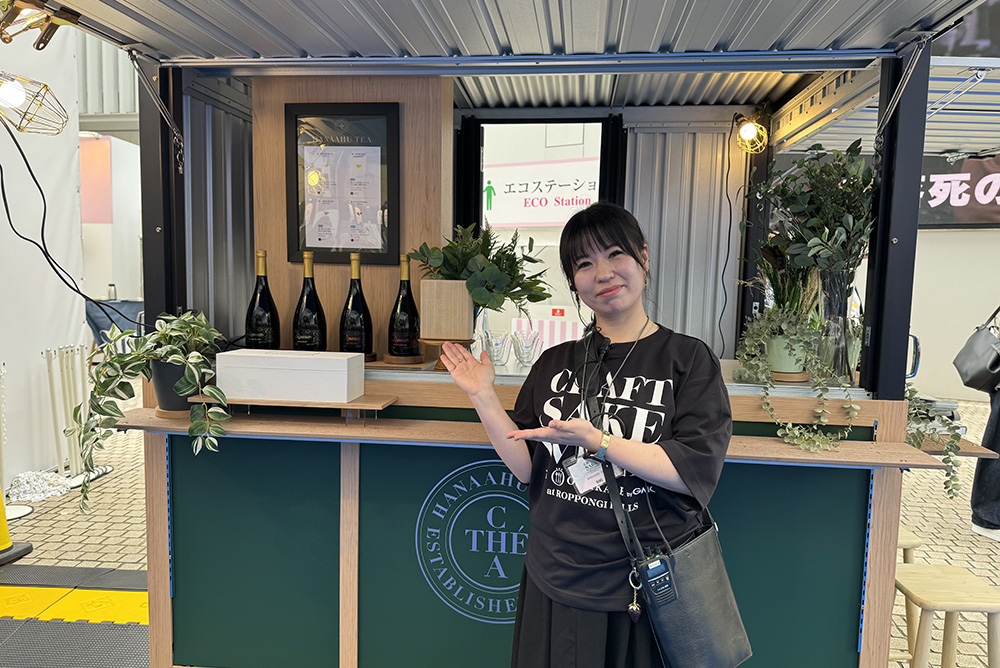
HANAAHU TEA was founded after Hidetoshi Nakata witnessed the decline of tea-producing regions across Japan. Yuki Kashiwazaki, who represents the brand, explains: “We started by asking why tea fields were being abandoned. That question led to everything.” The challenges are both structural and urgent. “Over the past 50 years, the number of tea farmers has dropped to one-tenth, and tea prices have fallen by about half. There are fewer successors, and aging farmers can no longer maintain the fields,” she says. Rather than focusing solely on production, the brand chose to redefine the value of tea.
Tea Designed for Dining
Traditionally, Japanese tea has been appreciated for its strong umami, yet it has not always paired well with food. HANAAHU TEA challenges that assumption. “We designed tea to be enjoyed with meals,” Kashiwazaki explains. “If tea fits naturally into dining, it can reach more people, including those overseas.” Each blend is carefully balanced to avoid excessive bitterness or a powdery texture. The result is a clean finish that complements a wide range of dishes. Seasonal variations further expand pairing possibilities, allowing the tea to pair with diverse cuisines. Today, the brand is already used in restaurants serving Italian, sushi, and Thai cuisine, demonstrating its versatility.

Precision and Craftsmanship
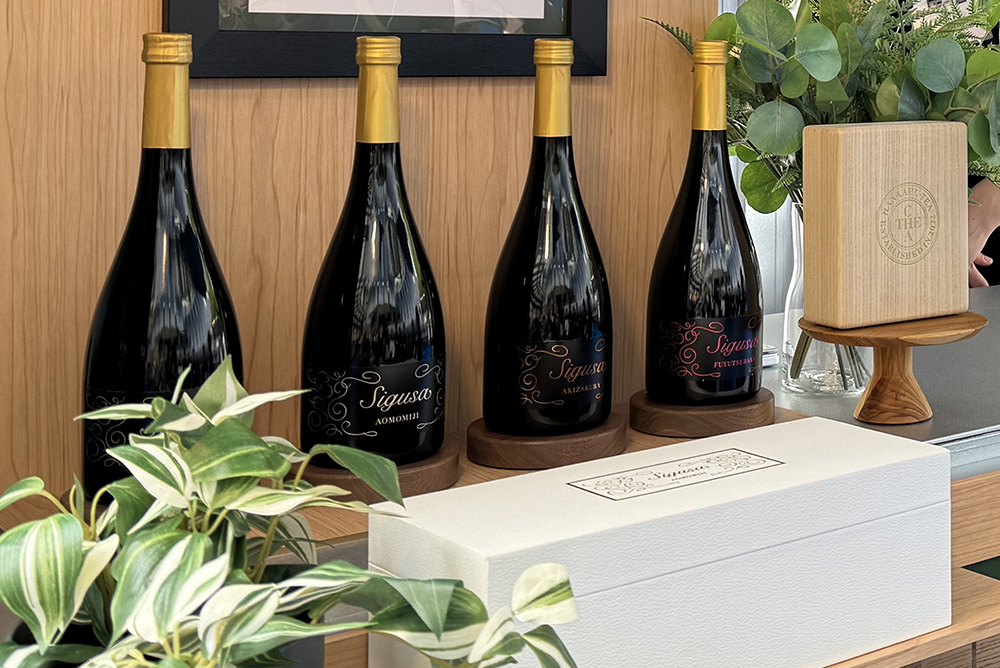
All teas are made from domestically sourced leaves. Blending is carried out by Hoshino Tea Garden, with a tea master holding the highest certification in Japan. “We adjust everything each year, including harvest timing, fermentation, and roasting, to ensure a consistent taste,” Kashiwazaki notes. Behind each cup lies a high level of expertise and continuous refinement.
The Reality Behind the Product
The production process remains labor-intensive, especially in mountainous regions. “In areas where machines cannot be used, harvesting is done by hand on steep slopes,” Kashiwazaki explains. “After picking, the leaves must be processed immediately.” She continues, “Sometimes the work starts before noon and runs through the night into early morning. Tea leaves are extremely delicate.” This unseen effort underscores the product's true value.
Why Tea Now
At a sake-centered event, the presence of tea signals a broader shift. Redesigned as a dining beverage, tea offers a compelling alternative in a world where consumption habits are changing. It aligns with diverse lifestyles and global markets without relying on alcohol. As Kashiwazaki puts it, “Our starting point was to rethink tea’s value.”
Conclusion
CRAFT SAKE WEEK continues to expand beyond sake. By bringing together alcohol, cuisine, space, and tea, it presents Japanese food culture in a more nuanced and contemporary way. At its core is a clear intention, not just to present tradition but to reframe it as an experience for the world. This event marks a turning point, as the future of Japanese culture is being quietly redefined.